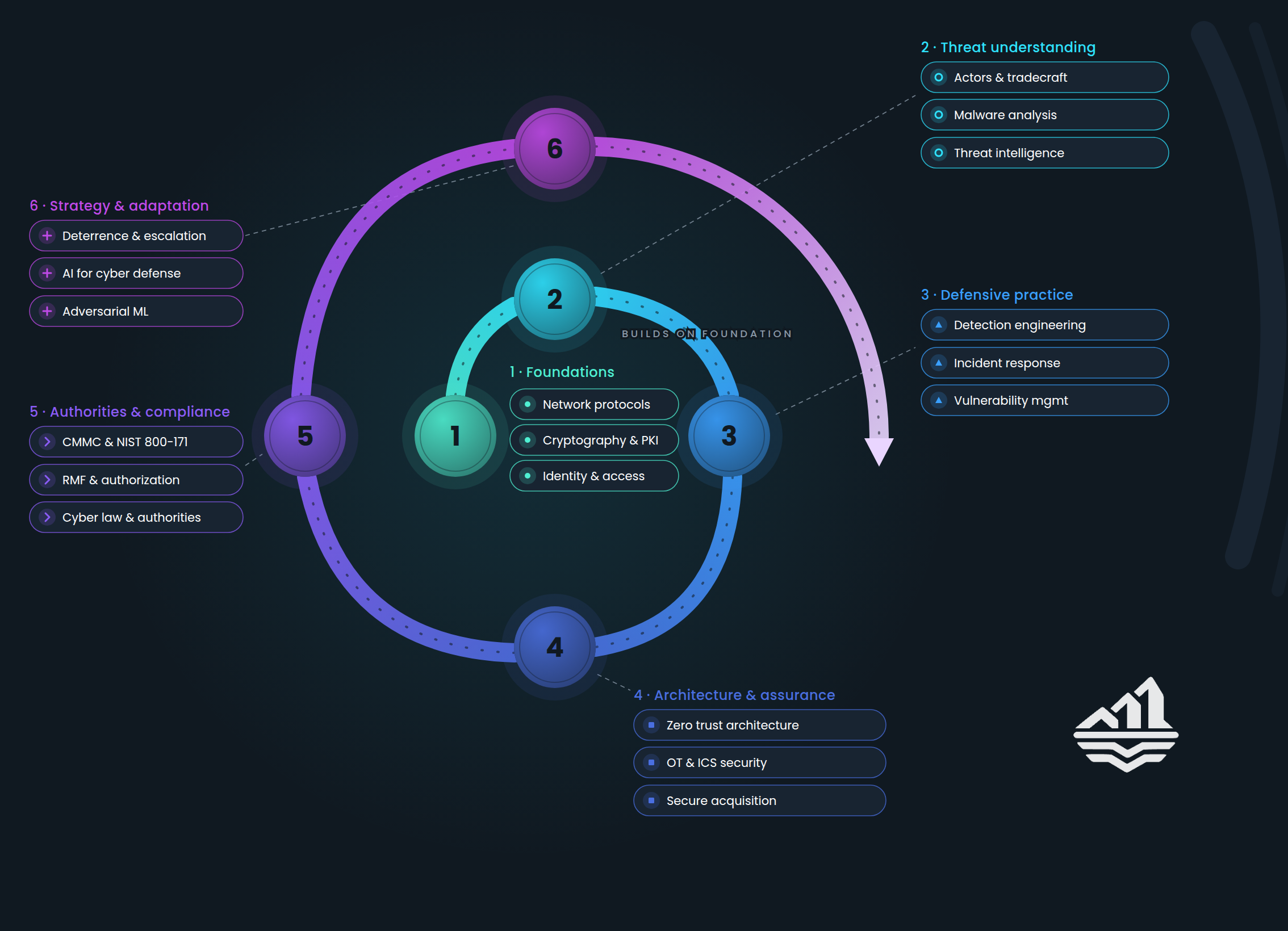
Completion is not readiness
Military learning systems are good at recording what happened: course completion, certifications, required training, attendance. That record matters, but it is incomplete. Leaders also need to know:
- whether knowledge has been retained
- whether it is current
- whether personnel can apply it
- where gaps exist across a unit
- whether teams can make sound decisions in realistic situations
Build the knowledge the mission requires
Bedrock Courses deliver focused professional education on doctrine, adversaries, emerging technology, acquisition, cyber, and AI: short, expert-led modules built for people who do not have time for a lengthy manual. Every assessment produces evidence, not just a completion record.
Explore Courses
Training builds a foundation. Intelligence keeps it current.
Professional knowledge decays when the operating environment changes. Bedrock Intelligence helps personnel maintain currency as adversaries adapt, technologies change, conflicts evolve, and doctrine and lessons learned move on.
Explore Intelligence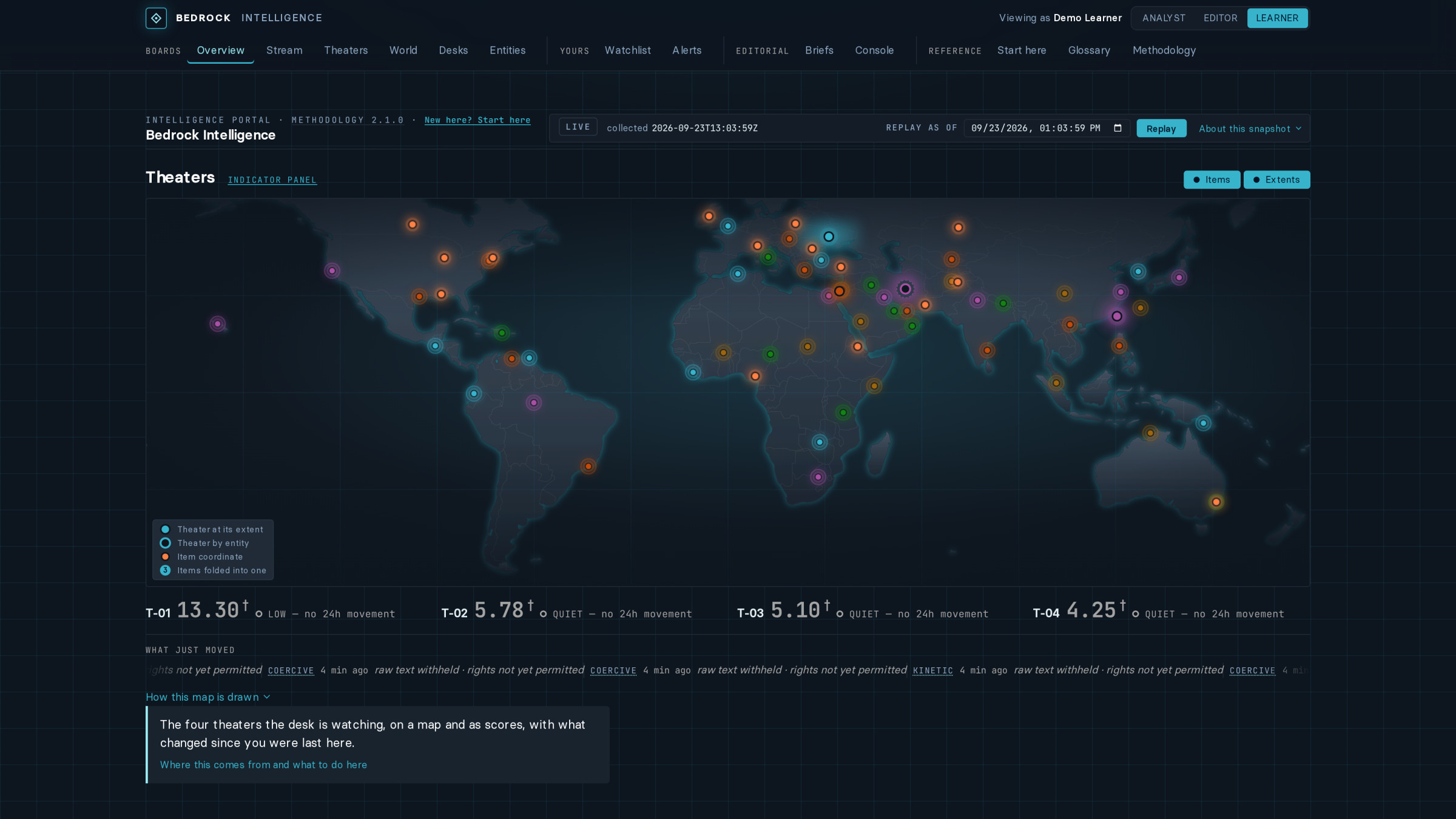
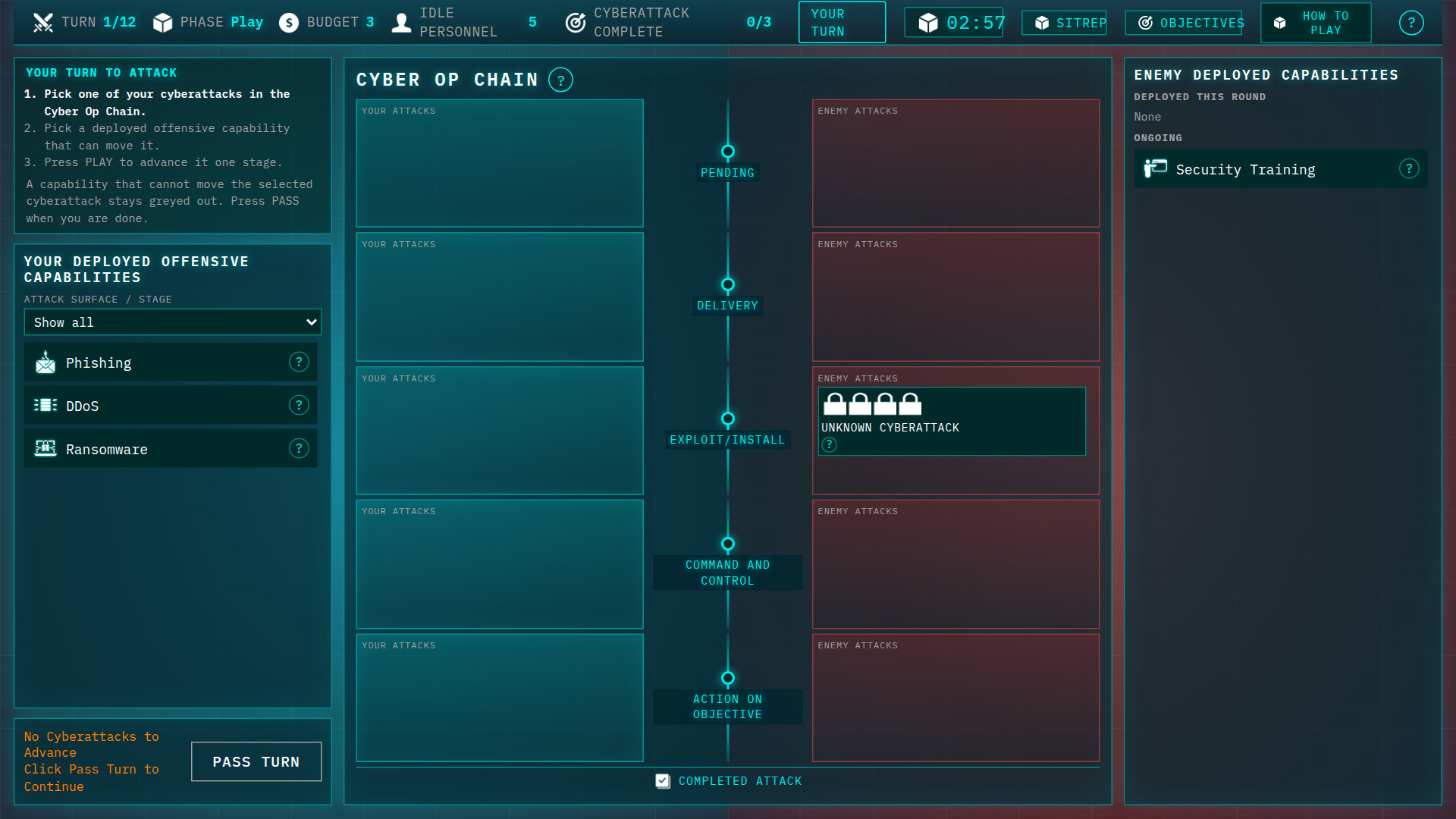
Put knowledge under pressure
Scenarios and serious games let personnel make decisions, confront tradeoffs, respond to changing conditions and learn through consequences. Bedrock brings that to every rank, not only select units or senior leaders. A decision made under pressure is a different kind of evidence than a course completion.
- make decisions and confront tradeoffs
- respond as conditions change
- compare approaches and learn through consequences
See strengths and gaps before they matter
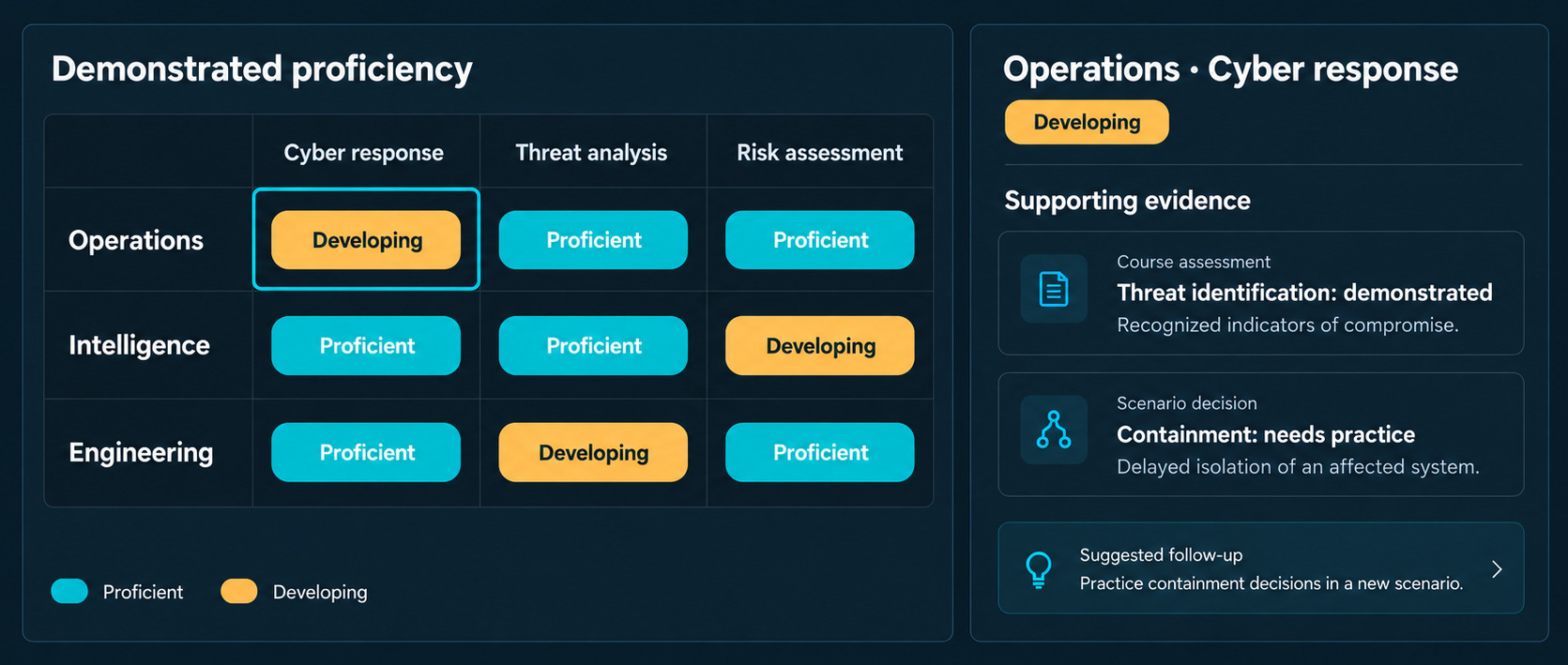
Evidence from courses, assessments, serious games and other supported activity is mapped to competencies, so leaders can see patterns across individuals, teams, formations, and competency areas, and the evidence behind each conclusion. Bedrock measures the knowledge and judgment dimensions of readiness. It does not declare a unit combat-ready.
- Where is critical knowledge strong, and where has it decayed?
- Which teams are prepared for a particular problem set?
- Where do we need more education or practice?
- What evidence supports that assessment?